Addiction Treatment in Texas: Handling Chronic Pain Without Abuse
Chronic pain does not appear and out. It changes just how individuals work, parent, and turn up for the moments that matter. In Texas, where long drives, physical jobs, and huge rural stretches are part of day-to-day life, discomfort care intersects with addiction threat in ways that are useful, not theoretical. The bright side is that secure, reliable pain treatment and addiction prevention can cohabit in the same strategy. It takes disciplined choice production, sincere discussion, and the willingness to mix therapies rather than rely on a solitary prescription.
I have rested with breeders that can be found in after a fall, gear employees with shoulder damage from years of torque, experts with nerve discomfort that outlived their release, and instructors that woke every day with migraines and stress and anxiety regarding maintaining their class calmness. Throughout these tales, one concept held: the much more diverse the toolkit, the far better the outcomes. That is also the technique that finest secures versus misuse and maintains doors available to addiction treatment if it is needed.
Pain, relief, and the line individuals worry about crossing
When people discuss addiction threat, they often move with each other 3 very different ideas. Physical reliance is the body adapting to a medication and revealing withdrawal if it quits. Tolerance is the need for even more medicine over time to obtain the very same effect. Addiction is compulsive use regardless of injury, noted by loss of control and obsession. Many long term opioid individuals will create dependence and some tolerance. Much fewer will develop addiction, yet the risk increases with dosage, duration, and individual factors like trauma, depression, and a household history important use.
Chronic pain itself re-wires focus and tension systems. Poor rest and helplessness amplify discomfort signals. Alcohol or sedatives used to "soothe" can snowball into unsafe combinations, specifically when opioids are in the mix. Dealing with pain well suggests working both sides of the formula: dampening the pain input and cooling the mind's alarm system response.
The Texas context: systems that shape care
Texas has a prescription surveillance program that prescribers need to inspect when they write controlled substances such as opioids and benzodiazepines. It is a guardrail, not a penalty. Used properly, it captures duplicative manuscripts, physician purchasing, and unintended co-prescribing that increases overdose risk. Pharmacies additionally play a positive duty, and numerous will call if they see a problem.
Naloxone is available in Texas through a standing order, which means individuals can obtain it at many drug stores without a go to for a particular prescription. I urge family members to treat naloxone like a fire extinguisher. You wish you never need it. You maintain it anyway.
Insurance insurance coverage is uneven and impacts what can be used. Medicaid handled care strategies usually cover core non opioid medicines and physical therapy, but visit caps, reference demands, and range to suppliers can cause delays. Country Texans typically drive more than an hour for specialty discomfort or addiction services. Telehealth relieved a few of that distance, and several clinics in both discomfort and addiction treatment now provide video clip gos to for regular comply with ups when clinically appropriate.
San Antonio has an especially rich ecosystem contrasted to numerous components of the state. College methods use pain assessments and interventional treatments. Community psychological university hospital in Bexar County provide integrated behavioral health and wellness, and a number of nonprofit programs deliver property and outpatient addiction treatment in San Antonio for grownups and teenagers, including women-specific solutions. Personal centers run medication for opioid use disorder with buprenorphine, and larger medical facility systems have acute pain groups that coordinate with addiction specialists. Individuals still fail the fractures, yet the local network boosts the odds when recommendations are prompt and assumptions are aligned.
Multimodal discomfort care beats single-channel treatment
Relying on one modality, whether it is a tablet or a procedure, restricts results. The most effective strategies mix movement-based treatment, habits adjustment, non opioid medicine, targeted interventions, and, in choose circumstances, carefully managed opioids. That mix looks different for a contractor with a torn potter's wheel cuff than for a senior citizen with diabetic person neuropathy.
Medication choices worth taking into consideration, with the tradeoffs that matter:
- Acetaminophen is mild on the belly and aids osteo arthritis and frustrations. Remain within daily limits, particularly if the person drinks alcohol or has liver disease.
- NSAIDs decrease inflammation after sprains or flare-ups of joint inflammation. They bring stomach and kidney dangers. Brief bursts at the most affordable efficient dosage make sense. Long-term everyday usage requires a strategy to secure the intestine and monitor blood pressure.
- SNRIs such as duloxetine help neuropathic discomfort and fibromyalgia, and they can assist state of mind. Indigestion and sleep adjustments prevail initially however often clear up. They are not quick fixes, anticipate 2 to 4 weeks to evaluate effect.
- Tricyclic antidepressants can decrease nerve discomfort and help sleep in reduced doses. Daytime sedation and completely dry mouth are problems. In older adults, they can create complication or falls, so dosing must be careful.
- Gabapentinoids help some kinds of nerve pain and can smooth uneasy legs. They also calm. Integrated with opioids or alcohol, they increase overdose danger. Texas prescribers are appropriately careful and increasingly check their use.
- Topicals like lidocaine patches and diclofenac gel issue greater than most individuals believe. They provide alleviation without systemic direct exposure. Capsaicin patches can assist postherpetic neuralgia after a monitored in center application.
On the interventional side, choices depend upon makeup and a clear target. Injections for radicular back pain job best when the symptoms match imaging and a concentrated exam. Radiofrequency ablation can silent aspect joint discomfort in the back or neck when a diagnostic block reveals advantage very first. Peripheral nerve obstructs assistance complex regional pain disorder if they are incorporated with treatment to recover motion. Spinal cord stimulation can assist selected individuals with fallen short back surgery or painful neuropathy that have actually not reacted to other measures, gave that a brief trial forecasts feedback. These treatments require realistic objectives. They do not remove discomfort. The purpose is a trustworthy notch down that unlocks to more activity.
Physical treatment earns its keep by changing exactly how the body moves under tons. Strong programs use rated task, highlight hip and core toughness for pain in the back, and show joint security for arthritis. Water treatment can obtain deconditioned or larger clients moving without flaring their discomfort. For tendinopathies, eccentric loading in a quantifiable series changes cells capability in 6 to 12 weeks. Individuals want rapid results. We set landmarks instead: walking without an extra rest quit by week two, lifting a 20 extra pound box with solid kind by week four, carrying grocery stores up one trip without a flare by week six.
Behavioral medicine is not code for "the discomfort is in your head." Strategies like cognitive behavioral therapy, acceptance and dedication treatment, and biofeedback directly alter exactly how the nerve system forms discomfort. In the center we measure catastrophizing ratings and rest performance. When those improve, the discomfort ranking normally drops, and feature nearly constantly boosts. Mindfulness and breath work assist some, but individuals usually do far better dealing with a clinician that ties technique to daily triggers rather than a generic app.
Weight loss of 5 to 10 percent lowers knee pain in osteo arthritis. Rest apnea therapy can lower morning headaches and diffuse body discomfort. Vitamin D deficiency adds to bone discomfort and drops in the elderly. Each is not the entire answer, however with each other they move the needle.
When opioids fit, and just how to use them without dating harm
Opioids have a narrow role in persistent non cancer pain. There are exemptions, such as serious inflammatory condition while disease-modifying medicines are increase, palliative contexts, or refractory neuropathic pain where other options have actually stopped working. The standard of care is to try non opioid treatments initially, document objectives, and, if opioids are made use of, maintain doses low and reassess early.
Pill kind issues. Immediate release solutions are safer to start and much easier to taper. Long acting products make good sense in a minority of steady situations after a duration of tried and tested benefit on short acting forms. Co-prescribing benzodiazepines or Z drugs with opioids multiplies threat and seldom has enough upside to warrant it. Alcohol and opioids together are a common, lethal mix that households underestimate.
Texas prescribers are expected to check the prescription monitoring program with each brand-new opioid prescription and a minimum of periodically for ongoing therapy. Pee medicine testing ought to be frank and routine, not revengeful. It verifies that the expected drug is present and screens for harmful enhancements. It likewise uncovers nonuse, which can signify diversion or simply that the person is spacing dosages more than they admit as a result of negative effects. Both should have a conversation instead of a lecture.
Naloxone belongs in the home if anyone in the home takes opioids, also at low doses, or if there are youngsters or grandchildren that go to. I show partners and roommates exactly how to utilize it and after that practice a what if script: If you can not wake them or their breathing is slow-moving, call 911, give naloxone, and remain with them. Individuals bear in mind the actions when they have practiced them once.
A functional initial see checklist in Texas
- Clarify the key pain generator, in plain language the patient can duplicate back.
- Align on functional objectives that can be gauged in weeks, not months.
- Map existing medicines and substances, consisting of alcohol and nonprescription drugs.
- Review the Texas prescription monitoring account and discuss findings together.
- Offer naloxone if any kind of opioid is suggested or if the person is at elevated risk.
The hidden vehicle drivers: mood, injury, and sleep
Depression, PTSD, and anxiousness are common in the pain facility, and they are not side notes. They anticipate that improves and who spirals. Veterans around San Antonio often show up stoic and secured, yet a brief screen can open up a path to trauma-focused treatment that untangles both headaches and nightly back convulsions. When anxiety attack are misread as abrupt pain spikes, people end up over dosages of brief acting opioids and benzodiazepines, a dangerous spiral. Deal with the panic with treatment and non sedating medications, steady the rest with behavior strategies, and the spikes settle.
Sleep health suggestions obtains eye rolls due to the fact that it is frequently reused without personalization. Making it concrete helps. In practical terms, I ask people to select a 90 minute relax home window without screens, relocate caffeine to the first fifty percent of the day, and anchor a constant increase time 7 days a week. If rest apnea is thought, I push hard for screening, because treating apnea lowers pain and improves cognition sufficient that patients feel it in their everyday routines.
A vignette from the clinic
A 48 year old mechanic from the Hill Nation established persistent shoulder discomfort after a labral tear and two surgical procedures. He was taking four to six hydrocodone tablet computers a day, plus naproxen in the evening, and he consumed 2 beers to sleep. His mood was flat. He stayed clear of treatment because the first round flared his pain. We established a three month plan with once a week metrics he might track: reach to the top rack for 10 secs without discomfort even worse than 5 out of 10 by week 2, rest in bed as opposed to the recliner chair by week four, return to half days at the store by week six.
We included duloxetine and topical diclofenac, quit naproxen for two weeks to check his tummy, changed alcohol to a magnesium supplement in the evening, and sent him to a therapist that understood discomfort pacing and anxiety of activity. The physical therapist concentrated on https://garrettqcvl457.lowescouponn.com/early-recuperation-tips-from-san-antonio-addiction-treatment-therapists scapular control and rated eccentric work. We composed a short opioid taper plan, decreasing hydrocodone by 10 percent each to 2 weeks while the various other steps took hold, and we recommended naloxone for the home. He cursed me the first week, after that came back in week three with much better sleep and less safeguarding. By month 3 he used a prompt release opioid only on hefty job days, twice a week, with a clear quit rule. He was not discomfort free, but he was back under the hood and laughing again.
Tapering and change without blowing up trust
If opioids are not helping feature, or if threats mount, tapering is the appropriate step. Slow tapers value the nervous system. For long-term individuals, a decrease of 5 to 10 percent of the initial dosage every 2 to 4 weeks is a practical beginning, with stops when life stress and anxiety spikes or withdrawal symptoms are rough. Rest, hydration, and non opioid choices require shoring up in the past and during the taper. Clonidine or lofexidine can alleviate sweats and uneasyness. Honestly prepare for rough days and name the indications that mean calling sooner.
Buprenorphine deserves special attention. It treats opioid use condition and can additionally treat discomfort. For people with both pain and abuse patterns, changing to buprenorphine can supply steadier control with a higher security margin. Splitting the everyday dosage into 2 or three doses can offer better analgesia than a single day-to-day dosage. Many Texas primary care medical professionals and addiction specialists currently provide this, and the referral can be within the very same health system when partnerships exist. The earlier the discussion starts, the much less it seems like a punishment.
Methadone for addiction treatment is just given through government controlled opioid therapy programs. For discomfort, methadone can be written as a regular prescription, however it is intricate and best left to professionals who can track EKGs and medicine communications. In the majority of persistent discomfort contexts, more secure choices exist.
Special populaces require customized decisions
Older adults clear medications much more slowly, fall more easily, and generally manage much more prescriptions. Reduced doses, slower titration, and a predisposition toward topical treatments and physical therapy make sense. Cognitive problems can impersonate as nonadherence. Caregivers ought to remain in the room.
Pregnancy changes the estimation. Non opioid alternatives come first, and the threshold for involving mother's fetal medicine is low. If a pregnant client has opioid usage condition, maintaining on buprenorphine or methadone under knowledgeable care is safer than withdrawal.
Adolescents with persistent pain, particularly professional athletes, require firm borders around short term opioid use after surgery or injury, paired with close comply with up. For reoccurring headaches, overuse of anesthetics can drive rebound, and behavioral therapy comes to be essential.
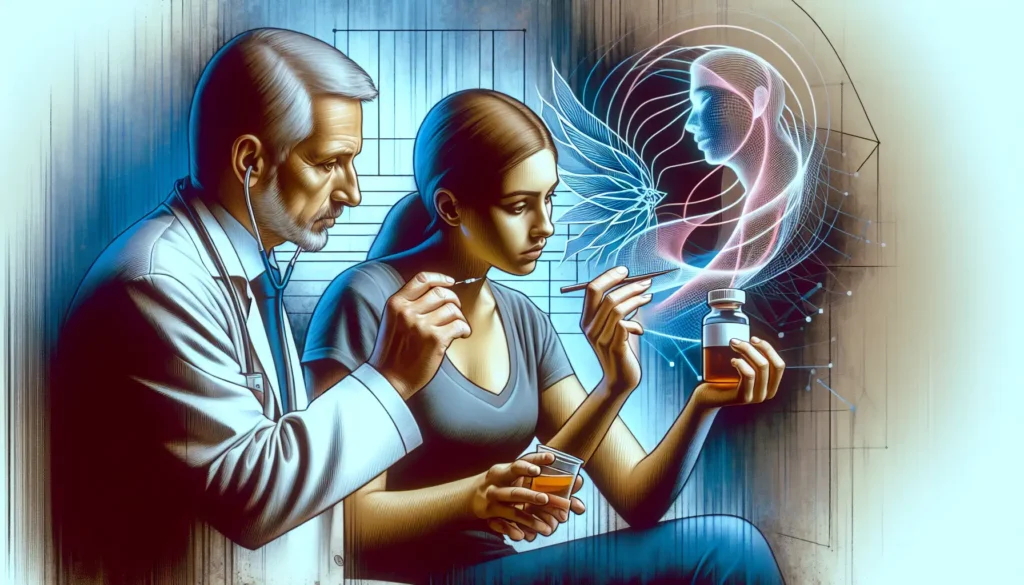
Work, safety, and Texas realities
Many Texans operate in jobs that do not pair well with sedation or slowed down response time. For business vehicle drivers under government Division of Transport regulations, any abused substance use requires a mindful, documented security evaluation, and several service providers have strict policies that exceed the minimum guidelines. Individuals that take care of firearms or heavy tools must have a direct conversation about just how their discomfort plan intersects with safety and security sensitive responsibilities. Brief acting opioids right prior to a change usually develop unacceptable risk.
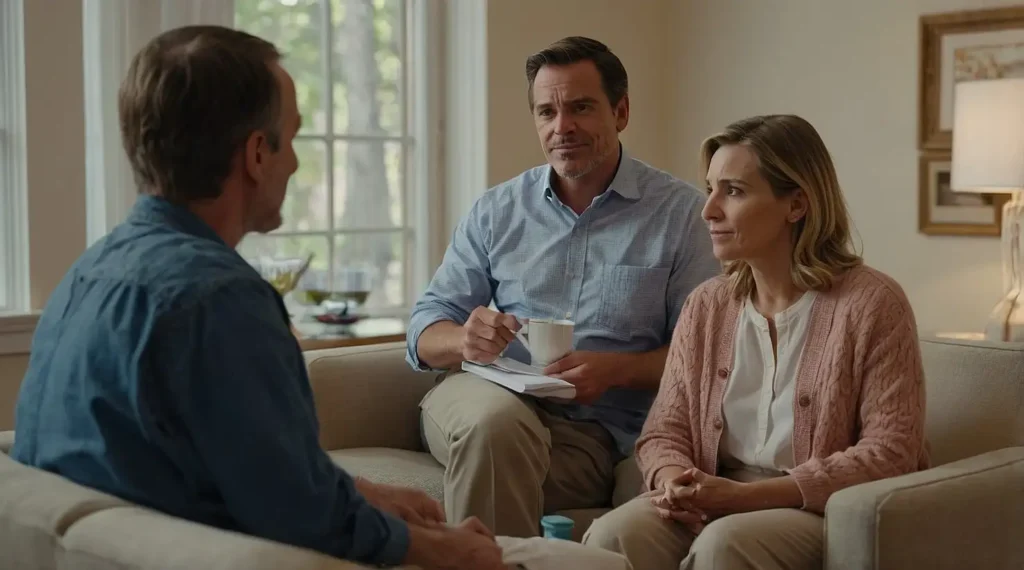
Workers' settlement instances require extra paperwork and persistence. Early and sincere interaction with insurers and instance managers maintains treatment moving. A clear useful strategy wins support more often than a demand letter concentrated on pain scores alone.
Finding care: addiction treatment in Texas, and where San Antonio fits
When chronic discomfort treatment discovers abuse, or when somebody requests help, speed matters. Addiction treatment in Texas extends hospital-based programs, outpatient clinics, and neighborhood teams. Bigger metros have a lot more options, yet every county has at the very least a starting point through public mental wellness authorities that can attach people to solutions. For medication for opioid usage disorder, buprenorphine is offered via lots of primary care and addiction clinics, often with same-week starts. Peer assistance specialists, increasingly component of Texas programs, can smooth the initial steps.
For those in and around Bexar Area, addiction treatment in San Antonio includes nonprofit household programs, outpatient therapy, and centers that prescribe buprenorphine and naltrexone. University-affiliated facilities coordinate complex situations that mix pain, mental health and wellness, and substance usage. Individuals without insurance can usually access moving range treatment. If you do not know where to begin, call a local neighborhood mental health center or a huge medical facility system's behavior health and wellness consumption line and request for medication-assisted treatment choices that consist of counseling. Expect an intake procedure that screens for withdrawal threat, clinical conditions, and mental health requirements. Excellent programs welcome household involvement if the client agrees.
If you live two hours from the nearest facility, ask especially regarding telehealth follow up, mobile centers, or hybrid designs that decrease travel. Statewide helplines and area source guides can indicate the nearest drug service provider or detoxification facility, yet the very best entry is frequently a direct telephone call from your main medical professional to a known colleague. Suppliers ought to maintain a short list of trusted get in touches with for addiction treatment texas broad, and refresh it twice a year due to the fact that programs change.
What to do when someone with opioid use problem has acute pain
- Treat pain actively with local anesthesia, non opioid medicines, and nonpharmacologic approaches initially, not as an afterthought.
- Continue buprenorphine when possible, and divided dosing to every 8 to 12 hours for better discomfort control. If greater pain demands emerge, add short acting complete agonists in a monitored setting with clear stop rules.
- If the person is not on buprenorphine, review launching it early, specifically when the discomfort episode discovers abuse patterns. Utilize reduced dosage initiations if full agonists are still needed for intense pain.
- Coordinate treatment prior to discharge and send clear instructions to outpatient groups. Gaps of also three days can derail recovery.
- Offer naloxone and rehearse its use with the individual and a support person.
Measuring development and remaining honest about results
Tracking issues because memory takes too lightly small success and overstates bad days. Pick three metrics that show function and state of mind, for instance minutes of continuous strolling, variety of nights weekly with a minimum of 6 hours of rest, and a weekly activities-resumed tally. Graph them theoretically or a phone note. Review at each go to. If the contour is flat for a month, change the plan instead of adding more of the same.
Pain agreements belong, however the language should really feel joint, not adversarial. I choose the term care agreement. It establishes shared assumptions: one prescriber, one drug store, medicine stored safely, no early refills except in recorded emergencies, and full openness regarding various other compounds. Infractions are managed with context. A solitary missed tablet matter throughout a family members crisis is not the like a pattern of shed prescriptions. Patients who sense justness remain engaged.
Final ideas from the facility room
Effective persistent pain treatment is not attractive. It looks like a strategy created in genuine words, a spouse who recognizes where the naloxone is, a physical therapist that texts a reminder to bring the logbook, a doctor that inspects the surveillance program every time without drama, and an individual that turns up even after a flare. It typically consists of addiction treatment, quietly and competently integrated rather than walled off as a different problem.
Texas has the devices. The systems are incomplete yet convenient. San Antonio and other hubs use deepness when cases obtain facility. Across the state, the clinicians I rely on the most are the ones that inquire about work changes, that assume beyond the next refill, and that can claim no when no is the more secure response, while using a different door to go through. For clients and families, that is what excellent treatment feels like, and it is just how we take care of discomfort without shedding individuals to misuse.